
Seville
Seville is Andalusia's capital and one of Europe's most atmospheric cities to wander. Its old quarter is a maze of whitewashed lanes, its monuments are among Spain's finest, and the whole city sits on level ground beside the Guadalquivir.
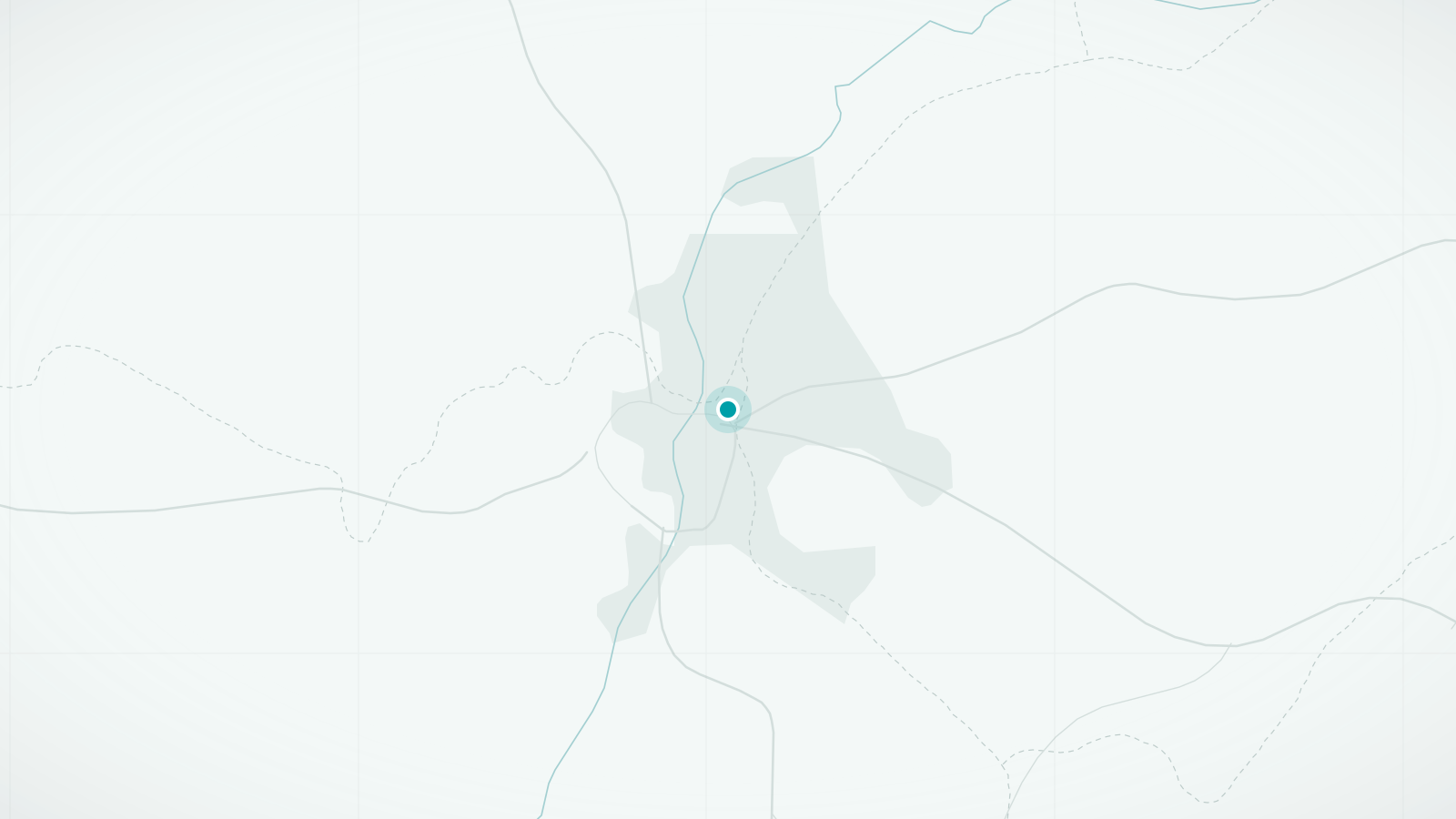
The city on foot
Seville is a city of enclosed spaces that open suddenly: a lane in the Santa Cruz quarter turns and reveals a square of orange trees, a doorway reveals a tiled patio, the cathedral's bulk gives way to the gardens of the Alcázar. It was the gateway to the Americas for two centuries, and the wealth of that era built the cathedral, the Archive of the Indies and the palaces that make the centre a UNESCO World Heritage Site.
For walkers, Seville has one great advantage and one serious warning. The advantage is that it is flat: at just seven metres above sea level, with no hills in the centre, it is the easiest city in this guide on the legs. The warning is heat. Seville is the hottest major city in continental Europe, and from June to September the afternoon streets are best left to the shade and the siesta.
What makes Seville distinctive
- The largest Gothic cathedral in the world and the Giralda, its minaret-turned-bell-tower
- The Real Alcázar, a royal palace of Moorish courtyards still in use
- Flamenco's heartland in the Triana district across the river
- Two spring festivals, Semana Santa and the Feria de Abril, that transform the streets
Walking tours in Seville
Hand-picked guided walks in Seville, each rated highly by travellers. Ratings and photos are from Viator; select a tour to see dates, prices and full details, and to book.
Advertising disclosure: tour links go to Viator. If you book through one, we may earn a commission at no extra cost to you. It does not affect the price you pay or which tours we choose.
-
Cultural Walking Tour of Seville Monumental (opens Viator in a new tab)
A two-hour guided walk around Seville's monumental centre, run by a local walking-tour company that has been guiding in the city since 2013.
Guided in English, Spanish
See dates & bookBooked securely on Viator
-
Seville: Small-Group City Highlights Walking Tour (opens Viator in a new tab)
A small-group walk (10 people maximum) past the Cathedral, the Royal Alcázar and the other key landmarks, with an introduction to Seville's history.
Guided in English
See dates & bookBooked securely on Viator
-
Seville Evening Historical Tour with Haunted History (opens Viator in a new tab)
A walk at dusk through the old centre and the Santa Cruz quarter, mixing the city's history with its legends and stranger stories.
Guided in English, Spanish
See dates & bookBooked securely on Viator
-
Sevilla Food Tour: Tapas, Wine, History & Traditions (opens Viator in a new tab)
A food walk to four bars and local hangouts, explaining how tapas fit into everyday Sevillano life as well as what to order.
Guided in English
See dates & bookBooked securely on Viator
-
Ultimate Seville Tapas, Wine & History Small Group Tour (opens Viator in a new tab)
A small-group tapas walk through some of Seville's oldest bars, pairing Iberian ham, cheese and other tapas with local drinks including the city's orange wine.
Guided in English
See dates & bookBooked securely on Viator
Main sights
- Cathedral and Giralda
The bell tower is climbed by ramps rather than stairs, built so the muezzin could ride up on horseback; the view covers the whole city.
- Real Alcázar
A palace complex of Mudéjar halls, tiled patios and extensive gardens next to the cathedral; timed tickets are advisable.
- Plaza de España
A vast semicircular pavilion from the 1929 exhibition, with a canal, bridges and tiled alcoves for every Spanish province, on the edge of María Luisa Park.
- Metropol Parasol (Las Setas)
A giant timber canopy over the Plaza de la Encarnación, with a rooftop walkway above the old town.
- Barrio de Santa Cruz
The former Jewish quarter of narrow lanes, tiny squares and flower-filled patios beside the Alcázar walls.
- Triana and the river
The old potters' and sailors' district across the Isabel II bridge, with a lively market and riverside promenade.
Neighbourhoods worth wandering
- Santa Cruz
The postcard old quarter: beautiful, compact and busy with visitors by mid-morning.
- El Arenal
Between the cathedral and the river, home to the bullring, the Torre del Oro and a good stretch of riverside path.
- Triana
Across the river; ceramics workshops, flamenco venues and the tapas bars of Calle Betis facing the water.
- Alameda de Hércules
A long, tree-lined square north of the centre with a younger, local bar scene.
- La Macarena
The old northern quarter along the surviving city walls, home to the basilica of the same name.
Best areas to explore on foot
- The monumental core
Cathedral – Alcázar – Santa Cruz – Archive of the Indies: everything within a few hundred metres, all pedestrianised.
- Along the Guadalquivir
From the Torre del Oro along the riverbank, over the bridge to Triana and back along Calle Betis; flat and open, with breezes in summer.
- Plaza de España and María Luisa Park
Shaded avenues and fountains south of the centre; the best walk on a hot day.
- Alameda to Las Setas
The less-visited northern half of the old town, with churches, convents and everyday life.
Practical walking notes
- Terrain
Flat. The only 'climbs' are the Giralda's ramps and the Metropol Parasol's lift. This makes Seville unusually easy for long days on foot.
- Heat
Summer highs are routinely above 36°C, and the record exceeds 46°C. From June to September, walk before 11:00 and after 19:00, seek the shaded side of the street, and treat the afternoon as rest time. Spring and autumn are glorious.
- Surfaces
Marble-like flagstones in the old town are smooth and can be slippery when wet or polished; cobbles survive in Triana and Santa Cruz. Pavements are narrow but many central streets are pedestrian-only.
- Distances
The old town is about 2 km across. Cathedral to Plaza de España is a 15-minute walk; cathedral to the heart of Triana about 20 minutes.
- Accessibility
Level ground and pedestrianised streets make the centre more accessible than most historic cities, though lanes in Santa Cruz are narrow and can be crowded. The tram and metro are step-free.
When to visit
- March–May
Warm, orange blossom in the air, and the two great festivals: Semana Santa processions in the week before Easter and the Feria de Abril two weeks later. Wonderful, but crowded and expensive.
- June–September
Extremely hot. Manageable with an early-and-late routine; some locals simply leave town in August.
- October–November
Heat eases, evenings are warm and the city is calm; a fine time for walkers.
- Winter
Mild and often sunny, with daytime temperatures around 16–18°C. The quietest and cheapest season.
Getting there and getting around
Arriving
- By air
Seville airport is about 10 km north-east of the centre. The EA airport bus runs to the city centre and Santa Justa station in around 35 minutes.
- By rail
Santa Justa station receives AVE high-speed trains from Madrid in about two and a half hours. It is roughly 2 km from the cathedral, a walk of 25 minutes or a short bus or taxi ride.
Local transport
- On foot
The default. The historic centre is largely closed to through traffic and everything in this guide is within a half-hour walk of the cathedral.
- Tram and metro
The MetroCentro tram runs a short route through the centre; metro line 1 crosses the city east–west but skirts the old town.
- Buses
TUSSAM buses circle the historic centre and reach the outlying districts; useful for returning from Triana or the park in the heat.
- Sevici bikes
A large public bike scheme with short-term passes; the riverside paths and the park are ideal cycling territory.
Questions travellers ask about Seville
Is it really too hot to walk in summer?
In the afternoon, yes: temperatures above 40°C are common in July and August. Mornings and evenings are fine, and the city is designed for them, with shaded lanes, awnings stretched over shopping streets and evenings that start late. If you can choose, come in spring or autumn.
How much walking is involved in seeing the main monuments?
Very little. The cathedral, Giralda, Alcázar, Archive of the Indies and Santa Cruz quarter are all within about 300 metres of each other, on flat, pedestrian streets.
Is Triana worth crossing the river for?
Definitely. It is a ten-minute walk over the Isabel II bridge, and it has a different, more local feel: the ceramics shops, the covered market and the bars along Calle Betis with views back across the water.
What happens during Semana Santa?
For the week before Easter, brotherhoods carry huge floats through the streets in processions that last hours. Routes close streets, crowds are dense and hotels fill months ahead. It is extraordinary to witness, but not a week for relaxed sightseeing.
Can I climb the Giralda?
Yes, with a cathedral ticket. The ascent is a series of 35 gentle ramps rather than stairs, so it is easier than its height suggests, though there are a few steps at the top.
Other cities in Spain
Barcelona
Medieval lanes, a modernist grid and the sea at the end of the street
Discover the city
Madrid
Tapas streets, grand museums and a capital that walks late
Discover the city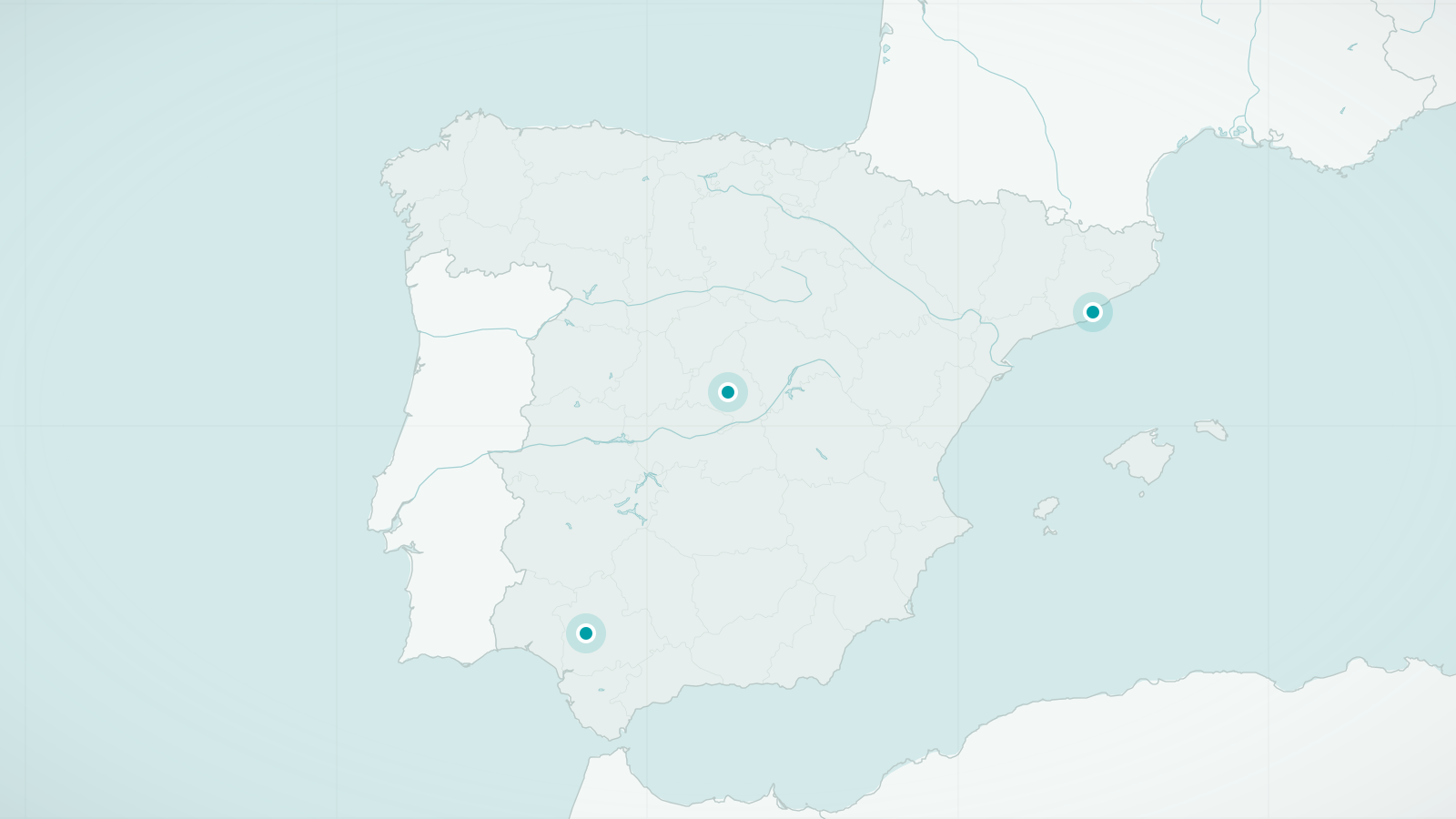
Spain
Plazas, old quarters and evenings that belong to pedestrians
Explore destinationsSources and review date
- Seville, Wikipedia (accessed 2026-09-24)
- Cathedral, Alcázar and Archivo de Indias in Seville, UNESCO World Heritage List (accessed 2026-09-24)