
Spain
Spain's second-place ranking rests on far more than beaches. Barcelona, Madrid and Seville each have historic cores where cars are the exception, and a culture of the paseo, the unhurried evening walk, that makes exploring on foot feel like joining in rather than sightseeing.
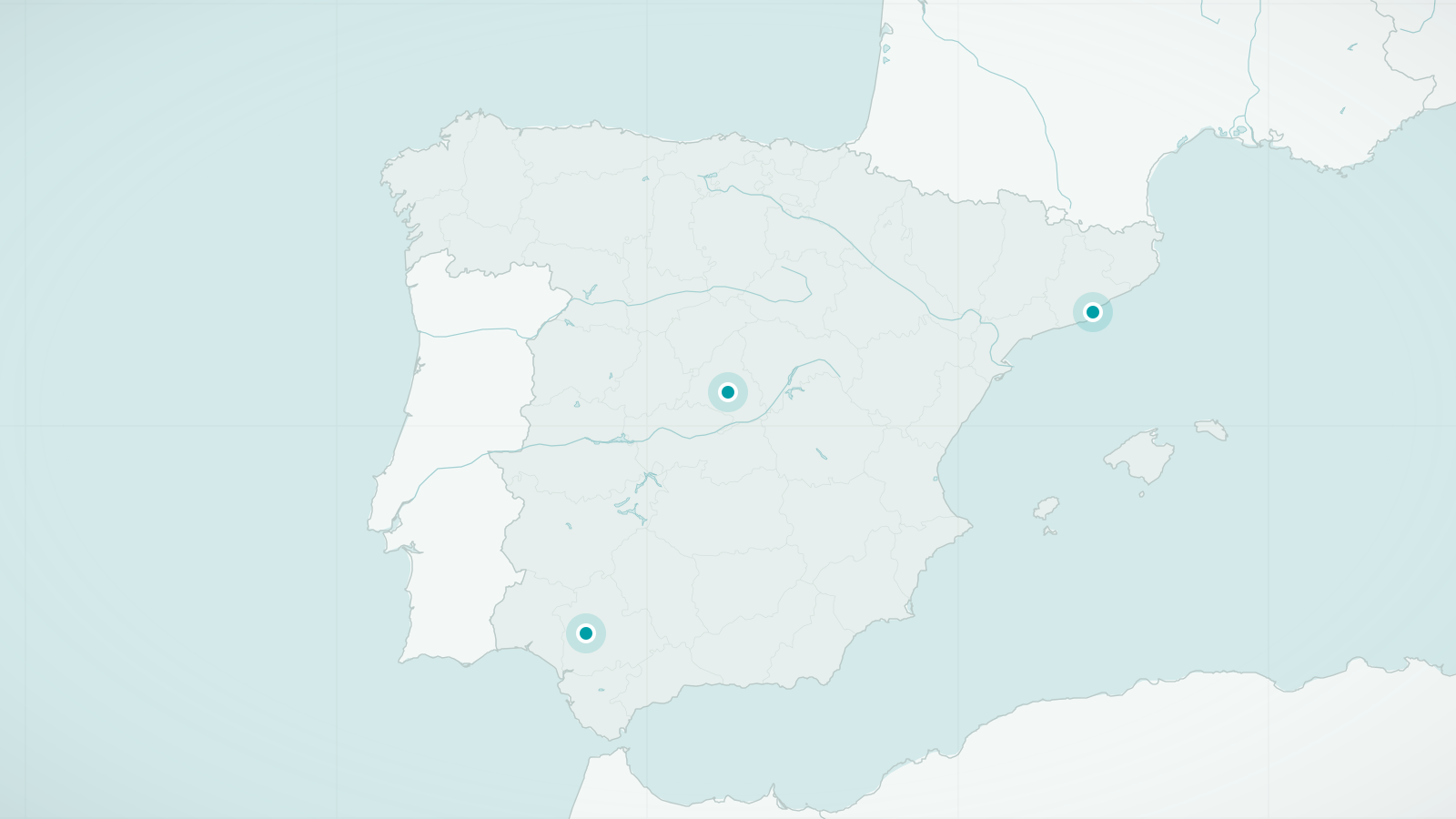
Cities in Spain
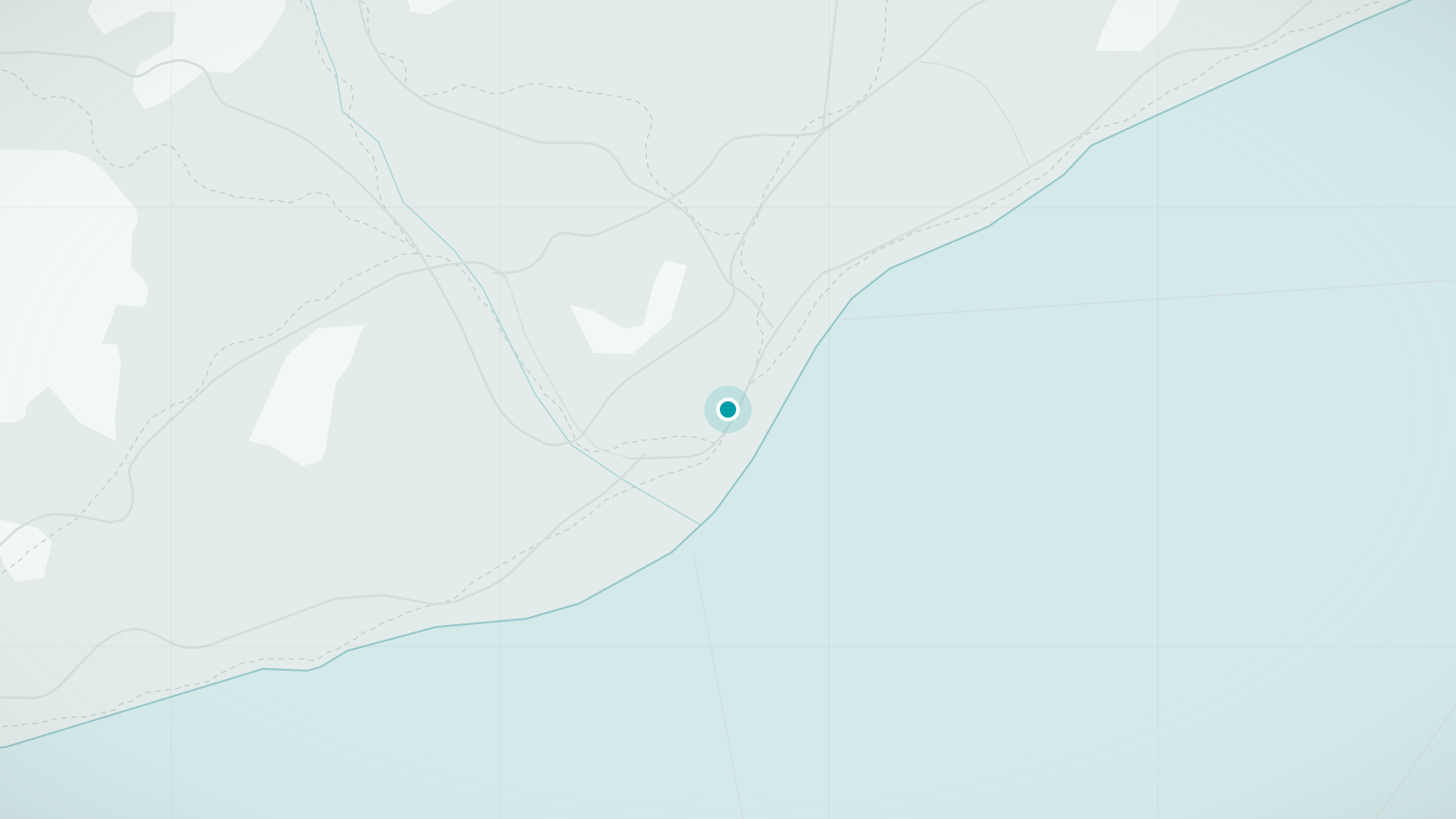
Barcelona
Medieval lanes, a modernist grid and the sea at the end of the street
Discover the city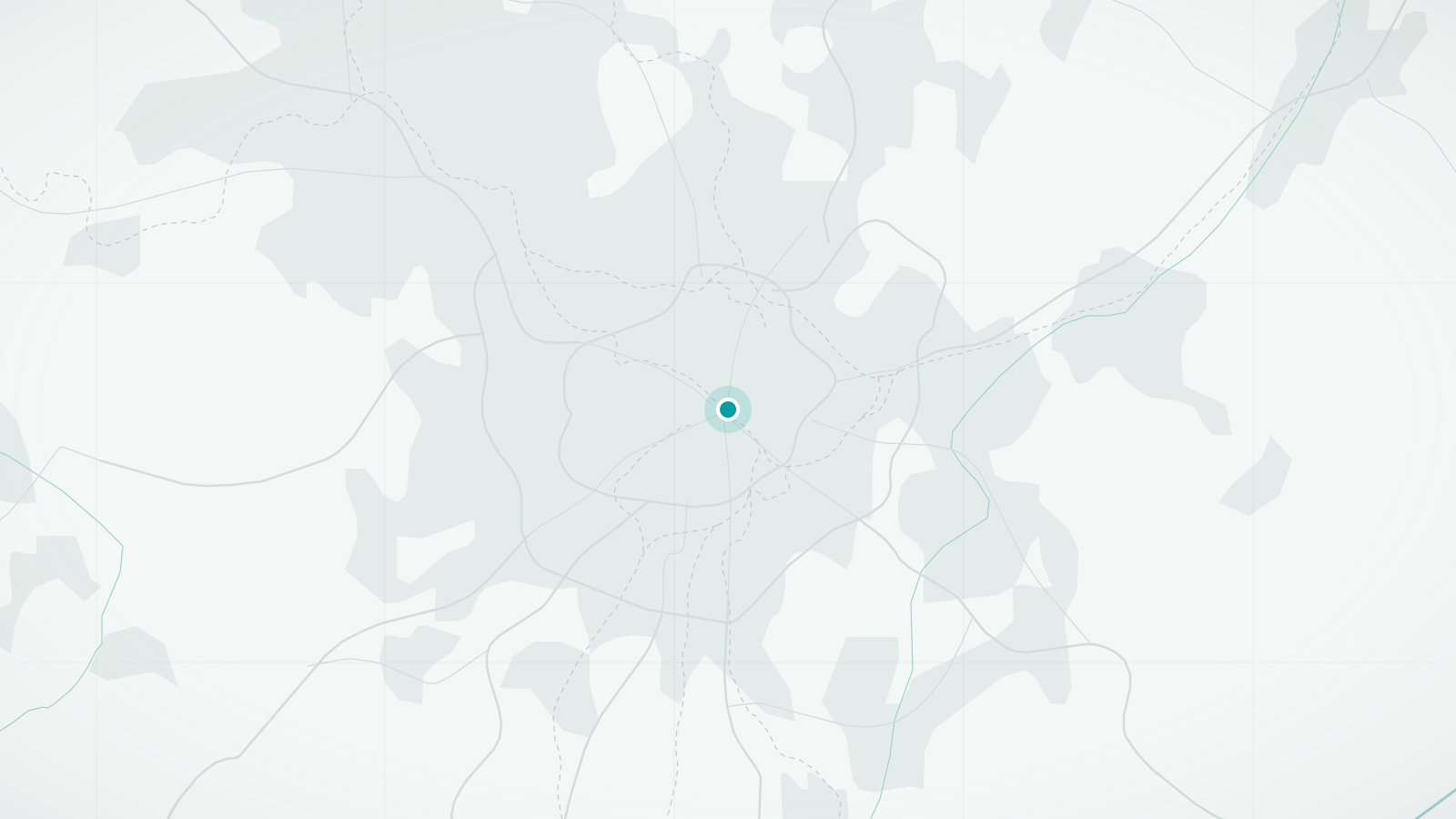
Madrid
Tapas streets, grand museums and a capital that walks late
Discover the city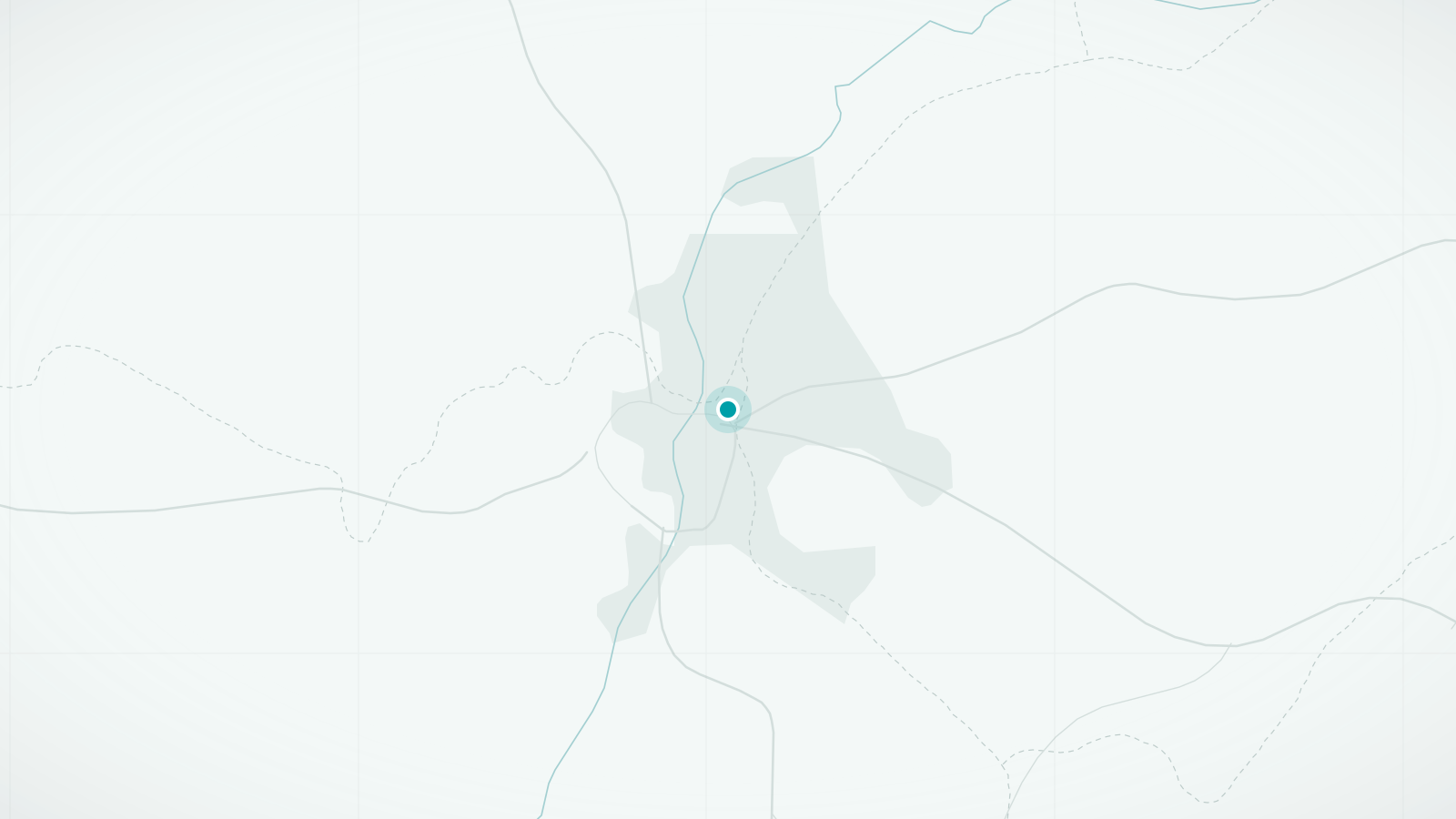
Seville
Orange trees, tiled courtyards and the flattest old town in Spain
Discover the cityWalking in Spain
Spain's cities are built around squares. Life spills out of bars onto the plaza, streets narrow to alleys in the old quarters, and in the evening whole neighbourhoods go out for a walk. That makes Spain one of the easiest countries in Europe to explore on foot, provided you respect the summer heat and adopt the local rhythm of late lunches and even later dinners.
The three cities here show three different faces of the country. Barcelona, on the Mediterranean, mixes a medieval core with a grid of modernist architecture. Madrid, high on the central plateau, is the capital of museums and tapas streets. Seville, in the far south, is the city of orange trees, flamenco and the Guadalquivir, and the flattest of the three.
Why Spain is here
Second in the world in UN Tourism's 2024 figures. Spain's national statistics office reported a new record of 96.8 million in 2025, keeping the country firmly in second place.

Sources and review date
- World Tourism rankings (UN Tourism data, 2024), Wikipedia (accessed 2026-09-24)
- FRONTUR: Tourist Movements at Borders, December 2025 and Year 2025, INE (accessed 2026-09-24)